Column · @theinjuryguide
What does a free claim assessment involve?
If you have been injured in an accident and are thinking about making a claim, the first step is usually a free claim assessment. This is a no-obligation conversation where a legal professional reviews what happened and gives you an honest opinion on whether you have a case worth pursuing. For most people, this initial chat removes a lot of uncertainty. It tells you where you stand before you commit to anything.
During a free claim assessment, you can expect to discuss the details of the accident, any injuries you have sustained, and the circumstances surrounding the incident. The solicitor or claims handler will ask questions to understand the strength of your case and whether it falls within the legal time limits. They will also explain how the claims process works, what evidence you may need, and what you can expect in terms of timescales. The whole point is to give you clarity without any pressure.
What actually happens during a free claim assessment
The format of a free claim assessment can vary. Some firms offer a phone call, others use an online form, and some may offer a video chat or an in-person meeting. Regardless of the channel, the core purpose is the same: to gather the basic facts and give you a preliminary view of your chances. The professional you speak to will listen to your account of the accident and note down key details such as the date, location, and how the injury occurred. They will also ask about any medical treatment you have received so far, because medical evidence is central to most personal injury cases.
One of the first things the solicitor will check is liability. That means working out who was at fault for the accident. If someone else was clearly to blame, your claim has a stronger foundation. If the situation is less clear, they will explain the risks and what further evidence might help. They will also ask about any witnesses, photographs, or accident reports that exist, because this type of evidence can make a big difference to the outcome. At this stage, you do not need to have everything ready. The assessment is meant to be a starting point, not a full case preparation.
Claim notification and the legal time limit
Another important part of the assessment is the claim notification. In Scotland, there are strict deadlines for starting a personal injury claim. Generally, you have three years from the date of the accident (or from the date you first became aware of the injury) to raise court proceedings. However, it is wise to start the process as soon as possible. Evidence can fade, witnesses can move, and memories can become less reliable. During the assessment, the solicitor will confirm whether you are still within the legal window and, if you are close to the deadline, will advise you on how quickly you need to act.
The solicitor will also explain the no win no fee arrangement that many firms offer. This means you do not pay legal fees unless your claim is successful. They will clarify what costs may be deducted from any compensation you receive, such as a success fee or insurance premiums, so that you have a realistic picture of what you might end up with. A good solicitor will be transparent about these details during the free assessment, not after you have signed up.
Medical evidence and the role of an expert report
Medical evidence is the backbone of any personal injury claim. Without it, there is no way to prove the extent of your injuries or how they have affected your life. During the free claim assessment, the solicitor will ask about the medical treatment you have had. If you have seen a doctor, they may ask for permission to obtain your medical records. They will also arrange for an independent medical examination if one is needed. The report from that examination will describe your injuries, your recovery time, and any long-term effects. This report is then used to value your claim.
Many people worry that their injury is not serious enough to claim for. A free assessment is the perfect place to raise that concern. The solicitor will give you an honest view, drawing on their experience of similar cases. Even if your injury seems minor, it may still be worth pursuing if it caused you pain, time off work, or out-of-pocket expenses. The assessment will help you decide whether the potential compensation justifies the effort of making a claim.
What you should bring to a free claim assessment
To make the most of the assessment, it helps to have some basic information to hand. You do not need a full file of documents, but having the following ready can speed things up:

- The date and time of the accident
- The location where it happened
- Any names and contact details of witnesses
- Details of any medical treatment you have received
- Any photographs or accident report forms you have completed
If you do not have all of these, do not worry. The solicitor can still give you a good indication of your case's strength. They may simply ask you to gather the missing items later if you decide to proceed.
What happens after the assessment
Once the free assessment is complete, the solicitor will tell you whether they believe you have a valid claim. If the answer is yes, they will explain the next steps. This usually involves signing a formal agreement, known as a mandate, which authorises them to act on your behalf. They will then begin the process of gathering evidence, notifying the other party, and negotiating a settlement. If the answer is less certain, they may suggest further investigation or advise you that the claim is not worth pursuing. Either way, you leave the assessment with a clear understanding of your options and no obligation to proceed.
One of the most common reasons people hesitate to make a claim is the fear of upfront costs. A free assessment removes that barrier. You can speak to a professional without spending a penny, and you only commit if you are satisfied with what you hear. That is why it is often the first step for anyone considering a Scottish injury claim. The assessment is designed to give you the information you need to make an informed decision about your legal rights.
Who should consider a free claim assessment
Anyone who has been injured in an accident that was not their fault should consider a free assessment. It does not matter whether the accident happened on the road, at work, in a public place, or on private property. The assessment is open to anyone who wants to know if they have a case. It is particularly useful for people who are unsure about the process or who have never made a claim before. The solicitor can explain everything in plain language, answer your questions, and put your mind at ease.
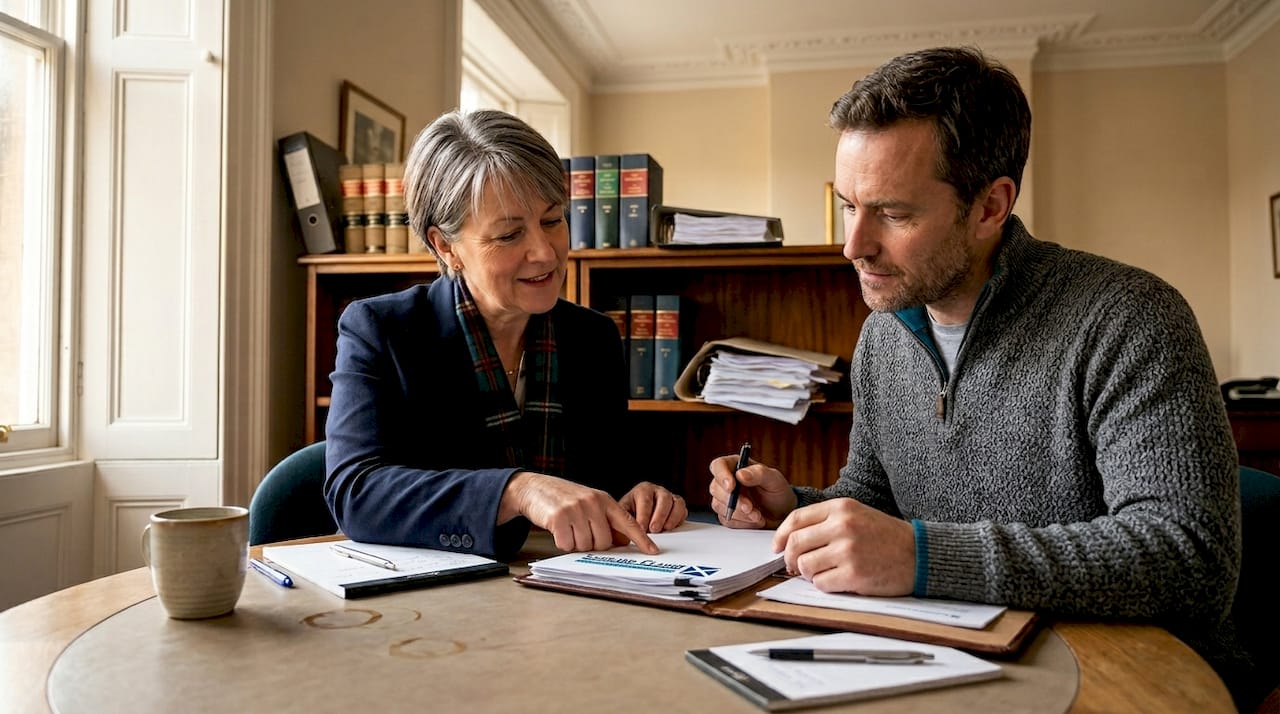
If you have been injured and are thinking about legal action, a free claim assessment is the most straightforward way to find out where you stand. It costs nothing, takes up very little of your time, and gives you a professional opinion that can help you decide what to do next. Many people find that simply having that conversation reduces the stress of the situation. They know what to expect, and they feel more confident about the road ahead.
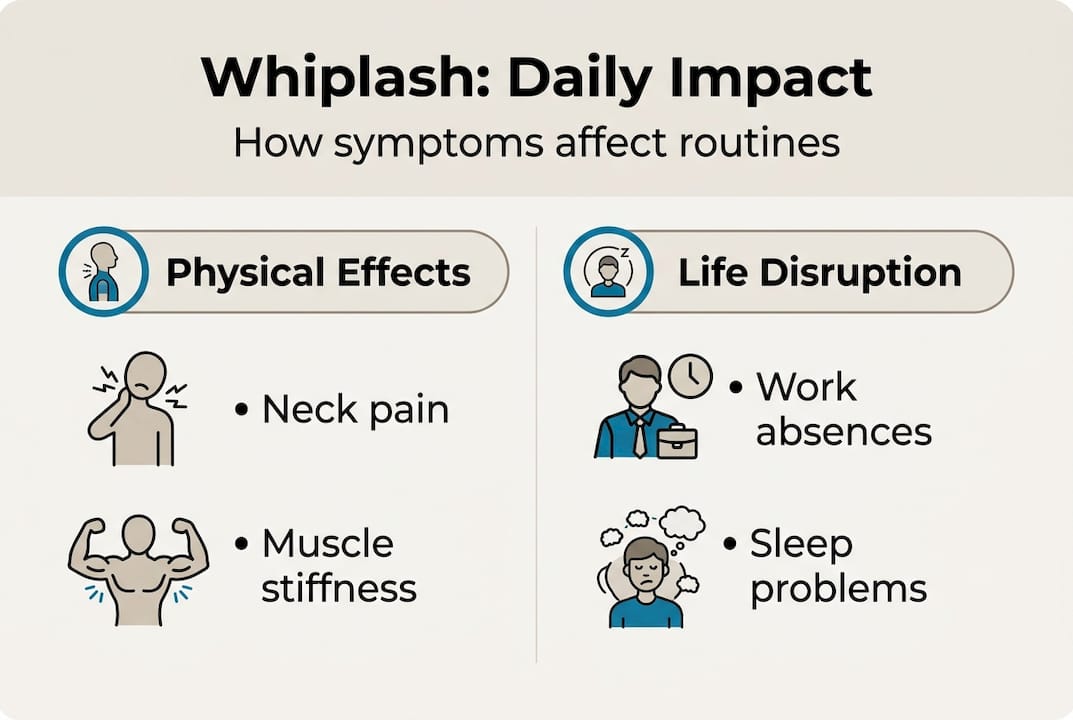
For anyone in Scotland who has suffered a personal injury, the process often begins with a conversation like this. Whether your injury is whiplash from a car crash, a slip in a supermarket, or an accident at work, the same basic steps apply. The solicitor will listen, assess, and advise. And because it is free, there is no reason not to find out where you stand. That initial chat could be the start of a successful Scottish injury claim, or it could give you the peace of mind that your case is not worth pursuing. Either way, you come out knowing more than you did before.